
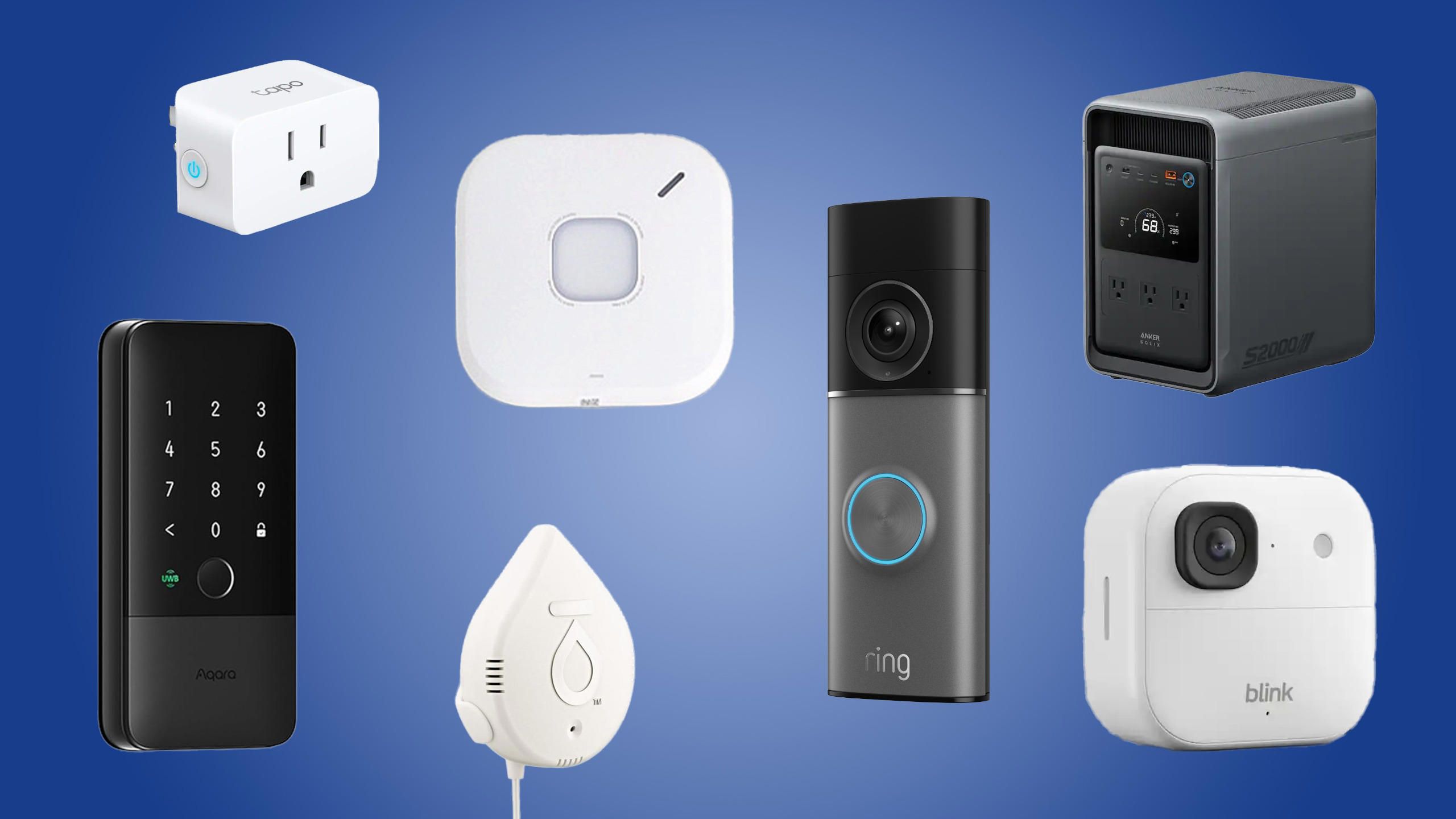
Smart Home Gadgets You Need: The 2025 Essential Stack for a Truly Connected Residence
The modern smart home has transcended the realm of novelty. What was once a collection of gimmicky, app-controlled light bulbs has matured into a cohesive ecosystem of sophisticated devices designed to enhance security, optimize energy consumption, and deliver unparalleled convenience. However, with a saturated market teeming with subpar options, discerning which gadgets genuinely justify their cost and integration complexity is paramount. This guide distills the essential categories and specific device archetypes that form the backbone of a high-performance, future-proof smart residence. We focus not on fleeting trends, but on foundational technology that delivers measurable, daily value.
1. The Central Nervous System: The Smart Hub & Router
Before adding peripheral devices, your network architecture demands immediate attention. A standard ISP-provided router is insufficient for the bidirectional data load of a robust smart home. The primary failure point is not bandwidth, but concurrent connection handling. You require a router that supports Wi-Fi 6E or Wi-Fi 7 and, critically, a dedicated Matter and Thread border router.
The optimal choice is a tri-band mesh system that includes a built-in Thread radio. This eliminates the need for separate proprietary hubs and ensures that your low-power devices (sensors, locks) communicate with sub-100ms latency. Look for models with advanced Quality of Service (QoS) features that prioritize security camera streams over less critical traffic. This is the non-negotiable foundation; every other gadget’s reliability is contingent upon this investment.
Key Specifications to Evaluate
- Protocol Support: Native Zigbee, Z-Wave, Thread, and Bluetooth Low Energy (BLE).
- Processing Power: A quad-core CPU or better to handle local automation rules without cloud latency.
- Security: WPA3 encryption and automatic firmware updates with a verified secure boot chain.
2. Proactive Security: The AI-Powered Camera & Doorbell
Forget motion-triggered notifications that flood your phone with false positives from passing cars. The current standard for perimeter security is on-device AI processing. This means the camera distinguishes between a human, a vehicle, and an animal locally, without sending raw video to the cloud for analysis. This is a privacy feature as much as a functional one.
The indispensable gadget here is a dual-lens video doorbell with a wide 180-degree field of view and package detection, paired with a dedicated indoor pan-tilt camera for high-traffic zones. The key differentiator is local storage (via microSD or Network Attached Storage) rather than mandatory cloud subscriptions. Look for cameras offering “pre-roll” footage, which captures the three seconds before the trigger event, ensuring you see the cause, not just the consequence.
| Object Detection | Motion only | Human/Pet/Vehicle recognition |
| Storage | Cloud subscription required | Local + optional cloud backup |
| Privacy | Raw footage uploaded | Edge processing, metadata only |
| Field of View | 110–130 degrees | 160–180 degrees |
3. Environmental Mastery: The Multi-Sensor & Smart Thermostat
Energy efficiency is no longer a passive benefit; it is the primary purchasing driver for the modern user. The essential gadget here is not just the thermostat itself, but the suite of remote environmental sensors that feed it. A single temperature reading from the hallway is an insufficient input for a zoned HVAC system.
Deploy a minimum of three wireless temperature, humidity, and ambient light sensors in distinct zones (bedroom, home office, living area). This enables geofencing and occupancy-based scheduling, where the system pre-heats or cools only the rooms you are using. The smart thermostat should support energy reporting and integrate with your utility’s demand-response programs. Crucially, it must offer an open API for advanced automation tools like Home Assistant, granting you full ownership of your climate data and control logic, rather than being locked into a proprietary app.
4. The Invisible Interface: Smart Lighting & Motorized Shades
Ambient intelligence is achieved when lighting and daylight control operate so seamlessly that you cease to perceive the technology. The optimal setup combines tunable white light bulbs with motorized roller shades. The “killer feature” is circadian lighting—the automatic shift from cool, blue-enriched morning light to warm, dim evening tones.
For this, select bulbs with high Color Rendering Index (CRI > 90) and separate control over brightness and color temperature. Pair these with Zigbee or Thread-based dimmer modules rather than Wi-Fi bulbs, as the mesh protocol ensures instantaneous response even with 50+ devices. The motorized shades should be battery-powered with a low-power Zigbee radio, capable of running 12 months on a single charge, and they must integrate with your scene automation—thinking “Good Morning” scenes that raise shades and fade up lights simultaneously.
Automation Rule Example
5. Invisible Utility: Advanced Smart Plugs & Energy Monitors
The most underrated gadgets are the smart plugs—but not the cheap, single-outlet types. The essential variant integrates real-time power monitoring with a high accuracy (0.1W resolution) and supports overload protection. This transforms a passive switch into an energy audit tool.
Integrate these into appliances with phantom loads: coffee makers, gaming consoles, and entertainment systems. The appliance-level data you collect allows you to identify power-hungry devices that are inefficient even in standby mode. More importantly, these plugs must support Local API control so that automations run directly on your hub without relying on the manufacturer’s cloud server. If the internet drops, your schedules and timers must continue to execute flawlessly.
Conclusion: The Integration Imperative
Selecting individual high-quality gadgets is the easy phase. The true mastery lies in integration. Before purchasing any device, verify its compatibility with your chosen ecosystem—whether that is Apple HomeKit, Google Home, or the open-source Home Assistant. The ideal smart home is not defined by the number of gadgets, but by the reliability of their orchestration. Invest in the network backbone, demand local processing and open standards, and prioritize sensors that provide data over devices that simply flash notifications. This approach yields a smart home that is proactive, private, and genuinely adaptive to your behavioral patterns.