Innovative Gadgets That Improve Daily Life
In an era defined by rapid technological acceleration, the distinction between a mere convenience and a genuine enhancement to daily living has never been more critical. The modern consumer is no longer satisfied with incremental updates; they seek intelligent, seamless solutions that reclaim time, reduce friction, and elevate well-being. From the moment we wake to the instant we rest, a new class of innovative gadgets has emerged—not as novelties, but as essential instruments for a more efficient, healthier, and connected existence. This article explores the most impactful devices currently reshaping our routines, offering a professional analysis of their utility and long-term value.
The Rise of the Proactive Smart Home
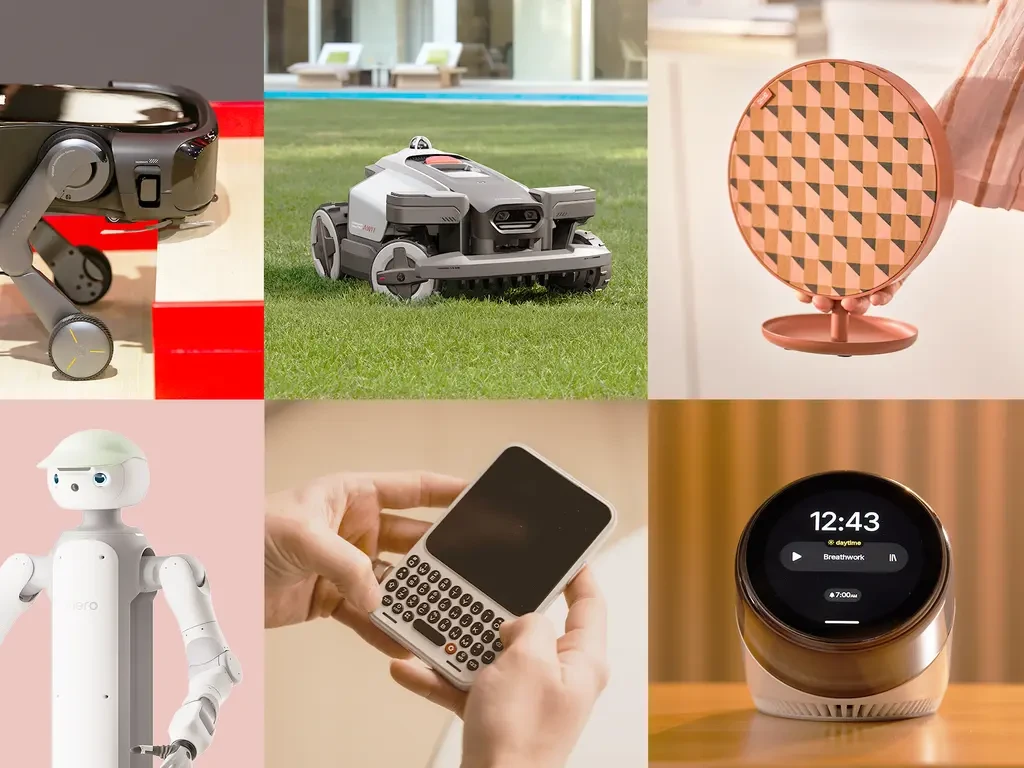
The smart home has evolved beyond voice-controlled lights and remote thermostats. Today’s leading gadgets are proactive, learning from user behavior to anticipate needs before they arise. This shift from reactive commands to predictive automation is the single most significant leap in domestic technology. Below are three categories of devices that exemplify this transformation.
Intelligent Environmental Stabilizers
Air quality is a silent determinant of cognitive function and physical health. Modern air purifiers, such as those equipped with laser particle sensors and real-time pollutant mapping, no longer run on a fixed timer. They automatically adjust their fan speed based on volatile organic compound (VOC) levels, humidity, and particulate matter. Furthermore, advanced humidifiers now integrate with weather forecasts, preventing the over-humidification that fosters mold growth while maintaining optimal respiratory comfort. The integration of these devices into a unified ecosystem—rather than standalone apps—is what transforms a house into a responsive environment.
Autonomous Domestic Robotics
The robotic vacuum has matured from a random-bouncing disc to a multi-sensor navigator. The current generation features 3D object recognition to avoid charging cables and pet waste, self-emptying bases that hold weeks of debris, and mopping systems with ultrasonic scrubbing. The professional user will appreciate the integration of LiDAR mapping, which allows the device to create a floor plan and be directed to clean specific zones on command. This is not merely automation; it is the strategic delegation of a time-consuming chore, freeing an estimated 150 hours annually for higher-value activities.
Centralized Energy Management
Smart plugs and power strips have been upgraded with real-time energy monitoring. These gadgets track the consumption of individual appliances, providing granular data on what is draining power. More importantly, they enable geofencing, which automatically cuts power to non-essential devices when you leave a specific radius. The cumulative effect is a measurable reduction in standby power, which constitutes up to 10% of residential electricity use. For the eco-conscious professional, this is a direct financial and ethical win.
Wearables That Go Beyond Tracking
The wearable market has transitioned from step counters to sophisticated medical-grade sensors. While consumer smartwatches remain popular, the greatest daily life improvements come from specialized wearables focused on physiological recovery and stress management.
Continuous Health Diagnostics
Devices like continuous glucose monitors (CGMs) have broken out of the diabetic niche. These wearable sensors, often the size of a coin, provide real-time data on how food, sleep, and exercise affect blood sugar levels. For the average user, this translates into personalized dietary recommendations that prevent mid-afternoon energy crashes. Simultaneously, advanced smart rings are now tracking not just heart rate but heart rate variability (HRV), skin temperature, and blood oxygen saturation. The analytical value of this data lies in its ability to detect the early warning signs of overtraining or impending illness, allowing for proactive rest rather than reactive recovery.
Therapeutic Neurostimulation
A new frontier in wearable tech is the consumer-grade neurostimulation headband. These devices use low-level electrical pulses to modulate brainwave activity, aiding in sleep onset or enhancing focus. Unlike pharmaceutical solutions, these gadgets offer a non-invasive, side-effect-free approach to cognitive performance. For the professional facing high-stakes deadlines, a 20-minute neurostimulation session can effectively replace a coffee crash with a state of calm vigilance.
Advanced Personal Mobility & Security
Daily life is heavily influenced by the friction of commuting and the anxiety of personal security. Recent innovations have targeted both.
Intelligent E-Mobility
The electric scooter is passé; the new standard is the self-balancing or auto-piloting suitcase and the compact e-bike with torque sensors. The latter deserves special mention for its adaptive motor output, which amplifies pedal power but disengages immediately when braking, providing a natural cycling feel while conquering hills with ease. These vehicles come equipped with anti-theft GPS tracking and IP67 waterproofing, ensuring reliability in adverse conditions. The daily benefit is a reduction in commute time by up to 40% in congested urban centers, without arriving sweaty or stressed.
Biometric Security Locks
Traditional keyed locks are a liability. Innovative smart locks now offer 3D face recognition or under-display fingerprint scanning that works even with wet hands. More critically, they create temporary digital access codes for service personnel or guests, which automatically expire after a set time. The integration with doorbell cameras provides a single field of view, allowing remote monitoring and two-way communication. This eliminates the risk of lost keys and provides a comprehensive audit trail of who entered your property, enhancing both convenience and peace of mind.
Comparative Overview of Key Gadgets
To assist in decision-making, the following table compares the primary features and primary benefits of the most impactful devices discussed.
| Proactive Air Purifier | VOC & PM2.5 sensors | Enhanced respiratory health & sleep quality | Urban dwellers, Allergy sufferers |
| LiDAR Robotic Vacuum | 3D mapping & self-emptying | Saves 1.5 hours/week of manual cleaning | Busy professionals, Pet owners |
| Wearable CGM | Real-time glucose monitoring | Stable energy levels & metabolic insights | Fitness enthusiasts, Biohackers |
| Neurostimulation Headband | Cranial electrotherapy | Faster sleep onset, improved focus | High-stress executives, Students |
| Torque-Sensor E-Bike | Adaptive pedal assist | Reduced commute time & physical strain | Urban commuters, Distance cyclists |
| 3D Face Recognition Lock | Biometric & temporary codes | Hands-free access & enhanced security | Homeowners, Remote workers |
Integration is the Ultimate Utility
While each gadget is impressive in isolation, their true transformative power lies in their integration. The most effective daily life improvements come from a synergistic system.
- Mornings: A smart alarm clocks syncs with your HRV data, waking you at the optimal point in your sleep cycle. This triggers the coffee machine and adjusts the room temperature based on weather data.
- Work Hours: Your neurostimulation headband pairs with a desktop app that monitors distraction levels, while the e-bike charging status is visible on your smartwatch.
- Evenings: The air purifier ramps up based on VOC levels from cooking, while the biometric lock ensures the home is secure before the robot vacuum schedules its nightly run.
Conclusion: Investing in Time and Health
The current landscape of innovative gadgets is defined by a clear principle: technology must serve the user, not the other way around. The best investments are no longer those with the most screens or flashiest apps, but those that demonstrably reduce cognitive load, improve physiological markers, and reclaim the most non-renewable resource—time. The devices discussed herein are not luxury items; they are strategic tools for navigating a complex modern world with greater resilience and clarity. For the professional and the homemaker alike, adopting these technologies is a direct investment in a higher quality of daily life, measured not in features, but in improved focus, deeper rest, and effortless operational efficiency. The future is not about doing more; it is about having the intelligent tools to do less manual labor and live more intentionally.