
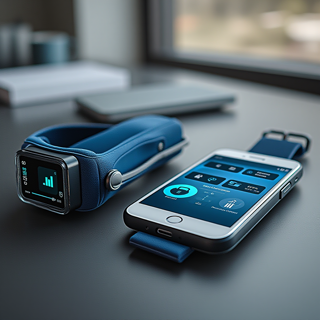
Essential Wearable Devices for Modern Users
The modern technology landscape has shifted from desktop-centric computing to a paradigm where intelligence is woven directly into the fabric of our daily attire. Wearable devices have transcended their initial novelty status to become critical tools for health management, productivity optimization, and seamless connectivity. For the contemporary user, selecting the right wearable is no longer a luxury—it is an informed decision that impacts physiological awareness, professional efficiency, and personal safety. This article dissects the categories of wearables that have proven indispensable, analyzing their core functions, technical specifications, and the specific value they deliver in a hyper-connected ecosystem.
The Smartwatch: The Central Command Hub
As the flagship of the wearable sector, the smartwatch has evolved into a sophisticated micro-computer strapped to the wrist. It serves as the primary interface for notifications, communication, and real-time biometric monitoring. For the modern user, the essential smartwatch is defined not by its ability to mirror a smartphone, but by its capacity to aggregate and synthesize health data with actionable intelligence.
Key Specifications to Evaluate
- Health Sensor Suite: Look for optical heart rate (PPG), electrocardiogram (ECG) capability, and blood oxygen (SpO2) saturation monitoring. Advanced models now include temperature sensing for cycle tracking and early fever detection.
- Battery Endurance: Essential devices offer at least 24-48 hours of use with continuous health monitoring. Multi-day battery life remains a hallmark of efficiency, reducing charging anxiety.
- Operating System Integration: Seamless pairing with iOS or Android is non-negotiable. The device should offer native response to messages, call handling, and app notifications without significant latency.
- Durability & Connectivity: A modern essential includes GPS (dual-band preferred), water resistance to 5 ATM, and Wi-Fi capability for independent operation during workouts.
Beyond passive tracking, the essential smartwatch provides active health intervention. Features such as irregular rhythm notifications, fall detection, and high/low heart rate alerts transform the device from a passive recorder to a preventative health tool. For the professional, the ability to screen calls and reply via quick text or voice dictation without retrieving a phone is a significant productivity multiplier.
Fitness & Recovery Bands: Precision Over Proliferation
While smartwatches offer broad functionality, dedicated fitness bands serve a specific cohort: athletes and biohackers who demand granular data. These devices prioritize battery life and sensor accuracy over app ecosystems. The modern essential band focuses on training load, recovery readiness, and sleep architecture.
Data Metrics That Matter
These bands are typically lighter, more discreet, and offer 7-14 days of battery life. They are essential for users who train daily and require continuous monitoring without the distraction of smart notifications. The best models sync automatically with external platforms like TrainingPeaks, Strava, or Apple Health, creating a centralized data ecosystem.
Smart Earbuds: The Acoustic Biometric Gateway
Often overlooked in the wearable hierarchy, modern true wireless earbuds have become essential biometric sensors. They now integrate heart rate monitoring via photoplethysmography (PPG) sensors in the ear canal and body temperature tracking, offering data that complements wrist-based devices.
Why They Are Essential for Modern Users
- Passive Noise Cancellation (PNC) & Active Noise Cancellation (ANC): For focus work or commute, high-tier ANC creates a controlled acoustic environment, directly impacting cognitive performance.
- Hearing Health Monitoring: Several premium models now track sound exposure in dB to prevent noise-induced hearing loss—a critical, permanent health risk.
- Real-Time Voice Assistant Integration: On-device processing for voice commands (not requiring a smartphone) enables hands-free operation for timers, navigation, and messages, crucial for safety during movement.
The essential status of earbuds stems from their dual role: they serve as an output device for media and an input device for physiological signals. For the modern professional, the transition from video call to workout requires a device that maintains biometric continuity without changing hardware. Earbuds with IPX5 or higher ratings and wireless charging cases are the non-negotiables.
Smart Rings: The Discreet Data Evolution
For users who find wrist wearables intrusive or uncomfortable during sleep or formal events, the smart ring has emerged as the essential alternative. It delivers comparable sleep tracking and readiness scores in a titanium or ceramic form factor that does not require a watch face.
Environmental and Lifestyle Advantages
| Battery Life | 4-7 days | 1-2 days |
| Sleep Comfort | Excellent (no wrist strap) | Good (requires looser fit) |
| Form Factor | Jewelry-grade, minimal | Bulkier, screen-centric |
| Data Focus | Recovery & sleep | Notifications & activity |
| Display | None (app-based) | Always-on screen |
The smart ring is essential not for its functionality breadth but for its adherence factor. Users wear it 24/7, ensuring continuous data collection. This longitudinal data is significantly more valuable than sporadic measurement. Modern rings now include accelerometer-based activity tracking and skin temperature variability, making them a core component for anyone serious about metabolic health and sleep optimization. They are the ultimate solution for the “unobtrusive essential” – delivering deep insights without the digital distraction of a display.
Conclusion: The Integrated Wearable Ecosystem
The essential wearable device is no longer a single product but a strategic combination. The modern user does not choose between a smartwatch, a band, earbuds, or a ring; they deploy them based on context. The smartwatch serves as the command center during work hours. The fitness band or ring provides high-fidelity recovery and sleep data during rest. The smart earbuds function as the biometric bridge during physical activity and immersive focus sessions.
When evaluating your next purchase, prioritize sensor accuracy (validated by clinical studies), battery architecture, and interoperability (open APIs). A device locked into a proprietary ecosystem without data export is a liability. The true hallmark of an essential wearable is its ability to silently collect, intelligently interpret, and seamlessly integrate into your existing digital life—enhancing your awareness without adding to your cognitive load. Invest in technology that not only tracks where you have been, but informs where you need to go.