
Blockchain Technology Explained for Beginners
In the rapidly evolving landscape of digital innovation, few terms have generated as much excitement, confusion, and speculation as “blockchain.” While often associated with cryptocurrency, the underlying technology represents a fundamental shift in how we record, verify, and transfer value and information. For the uninitiated, blockchain can seem abstract and intimidating. This guide aims to demystify the core concepts, mechanics, and transformative potential of blockchain technology in clear, professional terms.
What Is a Blockchain?
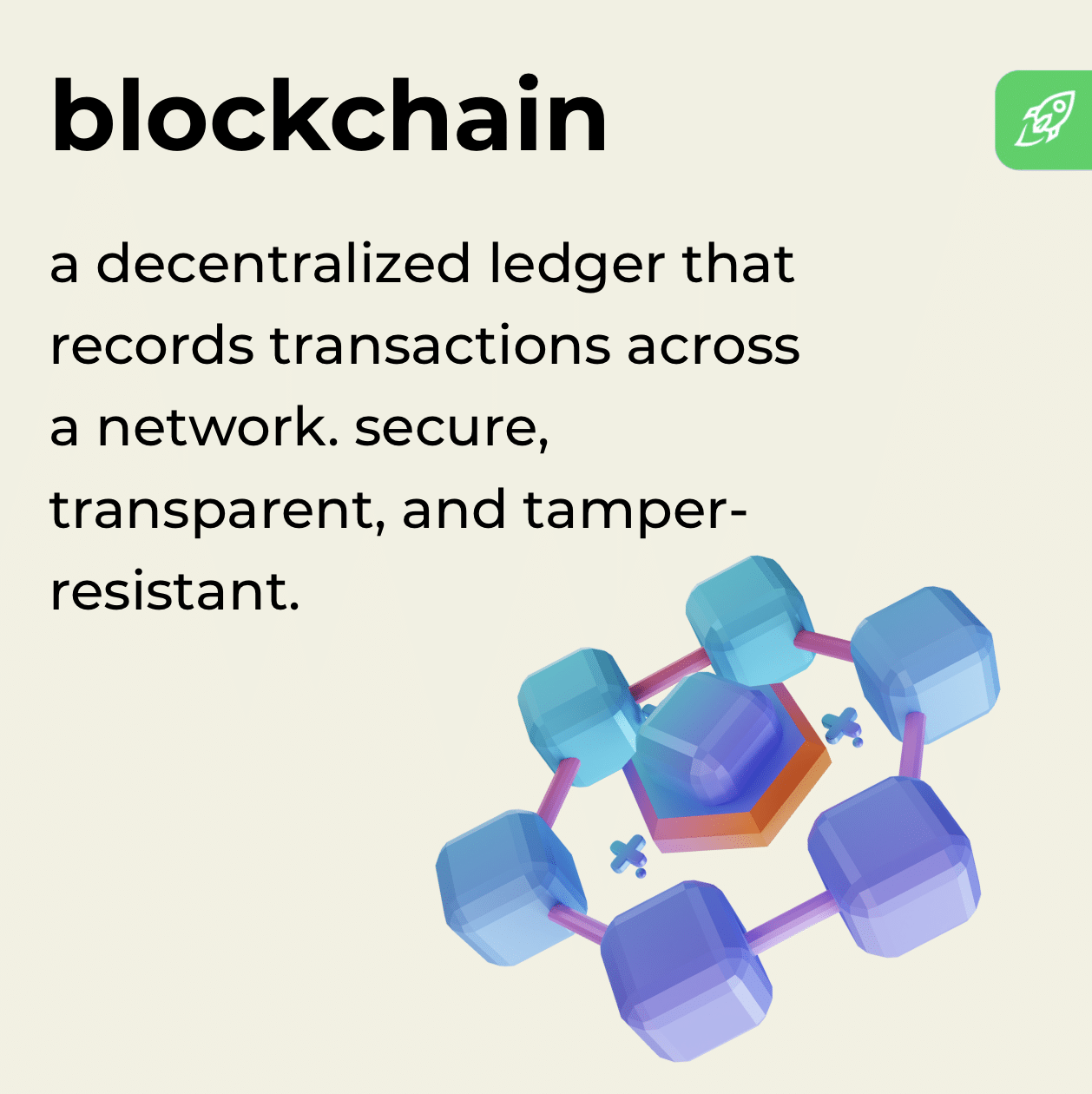
At its most basic level, a blockchain is a decentralized, distributed digital ledger that records transactions across a network of computers. Unlike a traditional database managed by a single entity (such as a bank or a government agency), a blockchain is maintained by a peer-to-peer network. Each participant, known as a “node,” holds a complete copy of the ledger, ensuring that no single point of control or failure exists.
The term “blockchain” describes its structure: data is stored in “blocks,” and each block is cryptographically linked to the previous one, forming a chronological “chain.” Once a block is added to the chain, its contents are extremely difficult to alter retroactively, providing a high level of security and immutability.
How Does Blockchain Work?
Understanding the operational mechanics involves examining a few key components: transactions, blocks, hashing, and consensus mechanisms.
1. Transactions and Blocks
When a user initiates a transaction (e.g., sending a digital token, recording a contract, or transferring ownership of an asset), that transaction is broadcast to the network. Miners or validators collect pending transactions and bundle them into a candidate block. Each block contains a list of transactions, a timestamp, and a unique identifier called a cryptographic hash.
2. Cryptographic Hashing
A hash is a mathematical function that converts an input (any digital data) into a fixed-length string of characters. The hash of the current block is created using the data within it, plus the hash of the previous block. This chaining mechanism is what makes the ledger tamper-evident. If anyone attempts to change a single transaction in an earlier block, the hash of that block changes, which invalidates all subsequent blocks in the chain—an instantly detectable anomaly.
3. Consensus Mechanisms
To decide which block gets added next, the network relies on a consensus protocol. Two dominant models exist:
- Proof of Work (PoW): Used by Bitcoin, PoW requires validators (miners) to solve complex computational puzzles. The first to solve the puzzle gets to add the block and receives a reward. This process consumes significant energy but provides robust security.
- Proof of Stake (PoS): Used by Ethereum (post-merge) and many newer networks, PoS selects validators based on the number of tokens they “stake” as collateral. Validators are chosen pseudo-randomly, and malicious behavior results in losing their stake, making it economically irrational to cheat.
Once a block is added, all nodes update their ledgers. The state of the ledger becomes permanent and publicly verifiable.
Key Characteristics of Blockchain
To appreciate the value of blockchain, one must understand its defining attributes, which differentiate it from conventional databases.
| Decentralization | Control is distributed across network participants. | Central authority governs data. | No single point of failure or control. |
| Immutability | Recorded data cannot be altered or deleted. | Admins can modify or erase records. | Cryptographic hashing ensures tamper-evidence. |
| Transparency | All participants can verify the ledger history. | Data access is restricted or audited. | Public blockchains are open to all. |
| Security | Resistance to fraud and cyber attacks. | Single point of attack risk. | Consensus mechanisms and cryptography. |
Types of Blockchains
Not all blockchains are created equal. Depending on the use case, different governance and access models apply:
Real-World Applications Beyond Cryptocurrency
While cryptocurrencies like Bitcoin and Ether are the most visible use cases, blockchain’s utility extends across multiple industries:
- Supply Chain Management: Tracking goods from raw material to consumer reveals provenance, reduces counterfeiting, and improves accountability. Each transfer is recorded permanently.
- Healthcare: Securing patient records, enabling interoperability between providers, and managing consent. Immutable audit trails protect sensitive data.
- Digital Identity: Self-sovereign identity systems allow users to own and control their personal data, granting access without revealing unnecessary information.
- Smart Contracts: Self-executing code on the blockchain that automatically enforces and executes agreements when predetermined conditions are met. This removes intermediaries and reduces legal overhead.
- Voting Systems: Verifiable and tamper-resistant electronic voting, potentially increasing voter participation while reducing election fraud.
Limitations and Challenges
Despite its promise, blockchain is not a panacea. Critical limitations must be acknowledged:
- Scalability: Public blockchains process transactions slowly compared to traditional payment networks (e.g., Visa). Solutions like sharding and Layer-2 protocols are under development but are not fully mature.
- Energy Consumption: Proof of Work networks consume vast amounts of electricity. The shift to PoS mitigates this, but older networks remain energy-intensive.
- Regulatory Uncertainty: Governments worldwide are still defining legal frameworks for digital assets, smart contracts, and DAOs, creating compliance risks.
- User Experience: Private key management is unforgiving. Losing a private key means losing access permanently, with no recovery mechanism.
Conclusion: A Foundation, Not a Final Product
Blockchain technology is best understood not as a singular silver bullet but as a new infrastructure layer for trust. In a world where data breaches, misinformation, and centralization erode institutional confidence, blockchain offers a protocol-level alternative to intermediaries. For beginners, the essentials are clear: it is a distributed, immutable ledger secured by cryptography and governed by consensus. Its applications will continue to evolve, but the underlying principles of transparency, security, and user control will remain central.
As you further research this domain, remember that the most successful implementations focus not on the technology itself, but on solving real-world problems with measurable efficiency gains. Blockchain thrives where the costs of trust, verification, and coordination are high. By grasping these fundamentals, you are now equipped to critically evaluate the next wave of digital innovations that will rely on this remarkable technology.